
Many gym goers will agree that while working out is hard, getting enough protein is harder.
Why protein? The body uses around 20 aminoacids, of which 9 it cannot produce (“essential”) hence we must consume them through diet. They are needed for every single bodily process: to repair all types of tissue including organs, the immune and digestive functions, are building blocks of blood and many hormones, and more. (and hair)
Reading all that protein is used for, it hit home that to support heavy gym workouts and building muscle, it won’t work without thinking of protein.
I decided to share how I approach this and will be happy to hear more tips and learn from other people’s experience.
Disclaimer: This is not nutritional advice. This is my personal story and what I gathered in my research.
Two caveats of protein-rich diets I won’t cover in this write-up: One is cost. The other is maxing vegan protein for those who do not wish to let their muscle gains depend on animal welfare.
But first things first: How much protein?
If you research how much protein you need, numbers and guidelines vary.
Broadly, public health advisory says people should consume around 0.8-1g per kg of bodyweight. Meanwhile, sports nutritionists talk of 1.2-1.6g per kg bodyweight to build and retain muscle (some say of “target bodyweight”, which is relevant if you’re planning on drastic weight gain or loss).
Some reserach also found a ceiling of protein synthesis at 1.6g / kg per day, including for older adults. (e.g. mackinprof on IG).
For myself as a 65kg human, that means between 80-105g of proteins a day. Of course everyone should do their own research and math. It’s also an interesting exercise to just record protein intake on ones normal diet for a few days.
Does timing matter?
The body can not store protein for later (like it can store carbs and fat). Once immediate metabolic and tissue-repair needs are met, excess amino acids are broken down in the liver and either excreted or converted into glucose or fat.
If protein synthesis takes around 4-6 hours, then the logic would be to have some protein in every meal, right? So that my body always has access to the needed amino acids to not just take care of typical bodily processes but also repair (=build) the muscles, tendons, fascia, ligaments, joints, bones etc I have been intentionally stressing through the training.
I concluded that consistently incorporating protein in my 3 meals would matter most, and that adding a protein shake after a chicken dinner wouldn’t add big benefits. I also don’t beat myself up if I miss my protein goal once a week, because stress and anxiety is even more harmful for the body!
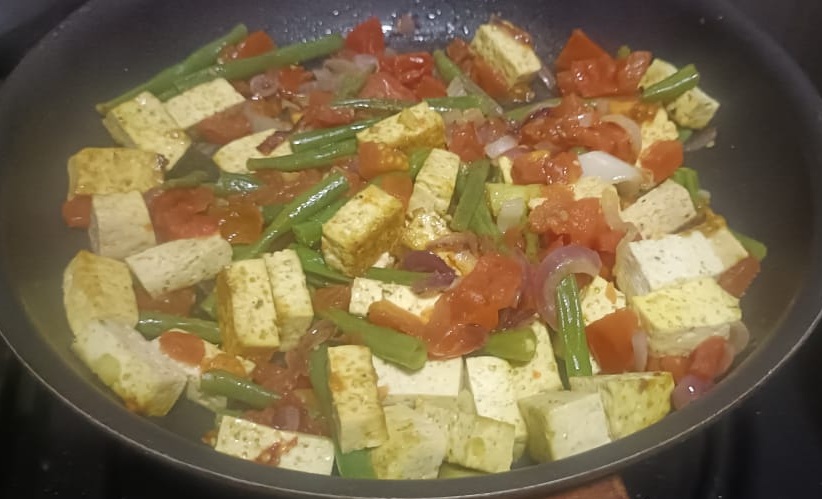
So how much protein is in food?
You can’t tell by looking at it, so some research is quite insightful. There are tables and infographics, both for vegans or vegetarians and people who consume meat and animal products.
An egg has ~6g. A cup of hummus comes to around ~12g. The 100ml milk in your tea makes 3g. If your restaurant burger patty contains ~120g beef, that’s around 25g protein.
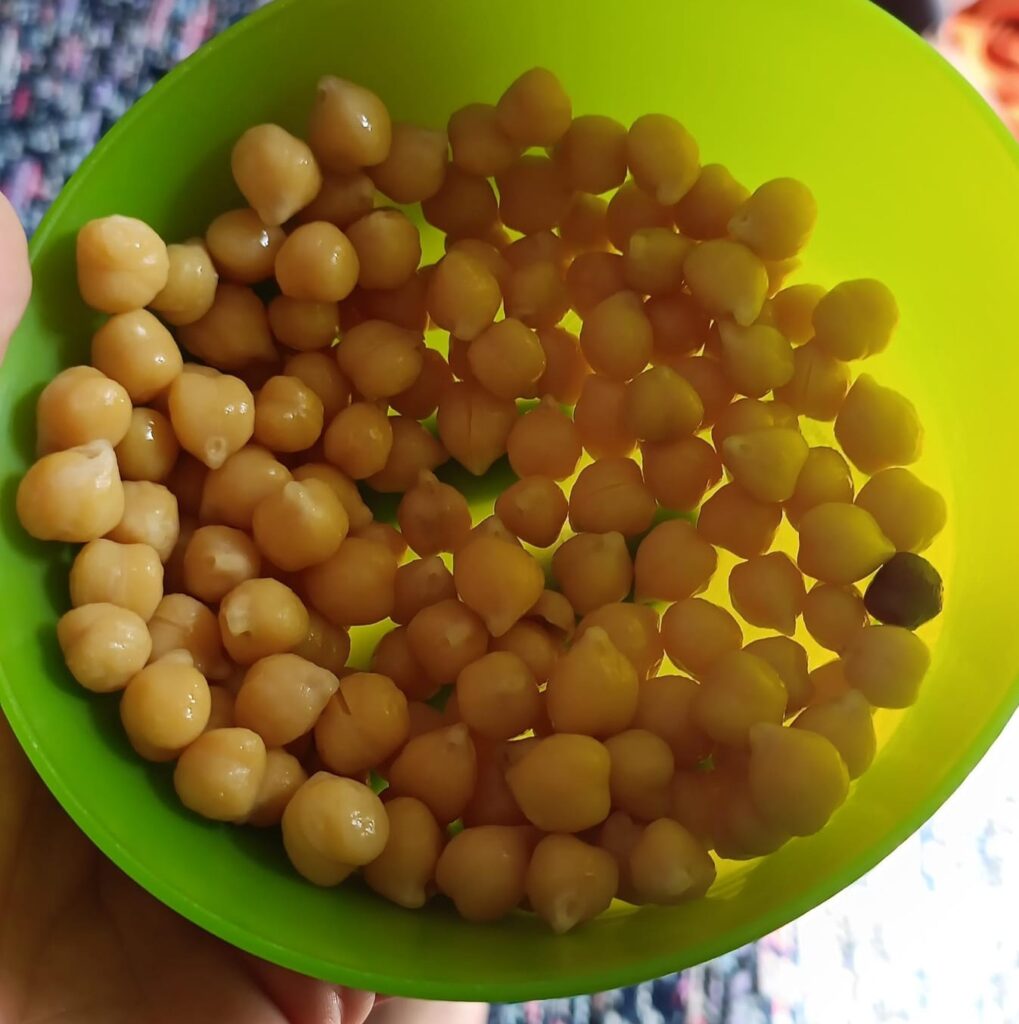
Given the cost and availability of protein on a typical Nairobi lifestyle and diet, protein intake will likely be lower than target, and the balance with carbohydrates and fat intake might be off the charts.
Chapati and tea? Ugali and Skuma? Githeri? Smoocha? White Cap?
How I plan for protein:
Broadly, I want each meal to cover 20-35g, so I adjust my plates accordingly. For example I pre-cook a pot of lentils and add some to each breakfast plate, or when I eat a meal low-carb like matoke.
I mostly cook at home, which makes this somewhat easier. This means I can shop and plan most meals for the week ahead, and budget for protein on a weekly basis.
Here’s what I pre-plan as protein base per week, and cook in bulk:
- 500g chicken breast (22g/100g) = 110g protein. Makes 3 portions.
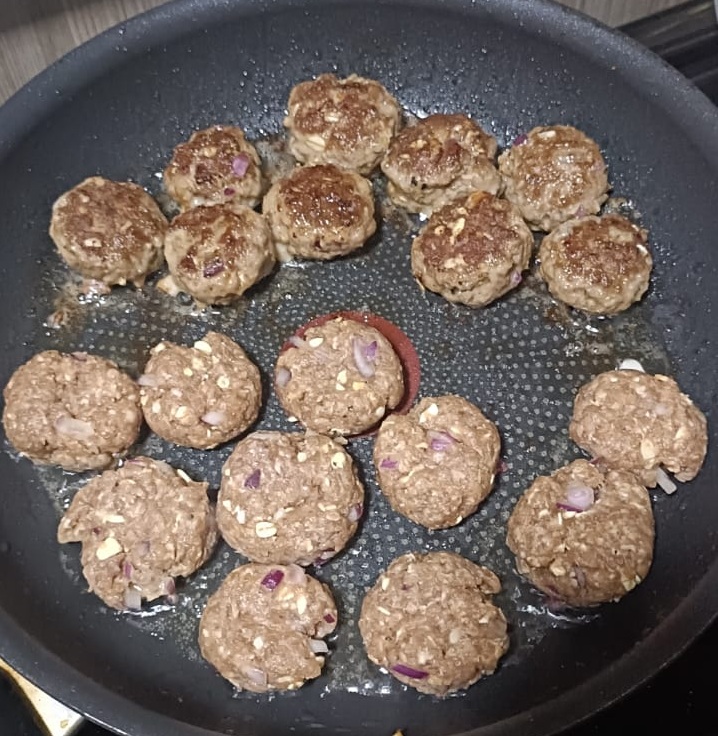
- 500g minced lean meat (20g/100g) = 100g protein. Makes 3 portions.
- 500g tuna or tilapia fillet (22g/100g) = 130g protein. Makes 3 portions.
- 200g dry lentils (25g/100g) = 50g protein. Makes 5-6 portions.
- 200g dry chickpeas (20g/100g)= 40g protein. –> I usually make a salad adding either feta or canned tuna, adding another 25g. Makes 3 portions.
- 200g tofu (12g/100g) = 25g protein
- 10 eggs = 60g protein. (About 5 days a week: boiled, scrambled, fried)
- 500ml plain yoghurt (4g/100g) = 20g protein. –> I add chia seeds overnight for a daily morning snack which adds minor protein but good fiber!
- For the record, I also pre-cook about 300g of green leaves for the week. They add all kinds of minerals that support workout goals, but not much protein.
This adds up to ~560g of protein from home cooked meals. Leaving a gap of ~150g to my weekly goal (which is 7 x 100g). Meeting those when eating out is the tricky bit.
However the more I prepare meals at home, the easier it gets to make confident guesses on nutrient content of restaurant food.
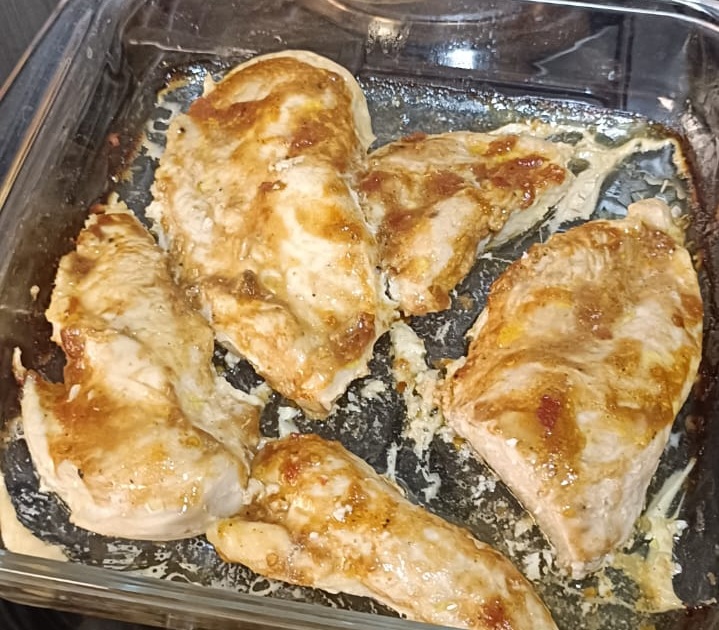
One can supplement with protein powders, they exist in vegan or whey varieties.
Omena is said to be the real protein hack, curious to hear if anyone has gotten creative with them!
In summary, I find home cooking lots of work but besides estimating protein intake, it makes it easier for me to:
- control sugar and fat content of meals (added oil, cream) and chose what oils I use (e.g. I consider omega 3/6/9 ratios),
- add flavouring that supports my digestion (herbs, ginger, cumin seeds)
- pair dishes with low GI carbs (like brown rice, sweet potatoes or quinoa over white rice or flour) as part of my long-term blood sugar health strategies. (consider looking up insuline resistance, diabetes, etc)
- overall maintain a healthy relationship with food, support the farmers I want to who work with organic farming to minimize toxin load.
Let me hear your suggestions, experiences, questions in the comments!
And if you want to read more about my strength training journey, have a look here.
One reply on “On Protein”
[…] Muscle is made of protein. If I want to build muscle, I need to eat protein. There’s more to it: Different amino acids come through different food, some more important for muscle building. Different guidelines recommend 1g or 2g protein intake per kg bodyweight. So I aimed for around 60-90 grams of protein every day! (Here’s an article I wrote diving deeper into protein-rich foods) […]